Someone has just reached out and asked me for a progression of learning with a Functional Approach. In response, I have grouped my resources by different language features, starting with noun groups because that seems like an entry point. However, you could start with cohesive devices or causal verbs or evaluative adjectives. It depends on how much you know about language, your existing framework for understanding language, and the goals you have for your students.
You may recognize the three Metafunctions in how I grouped my blogs below: Ideational (1-3), Textual (4&7), Interpersonal (5)
Enjoy!
Books

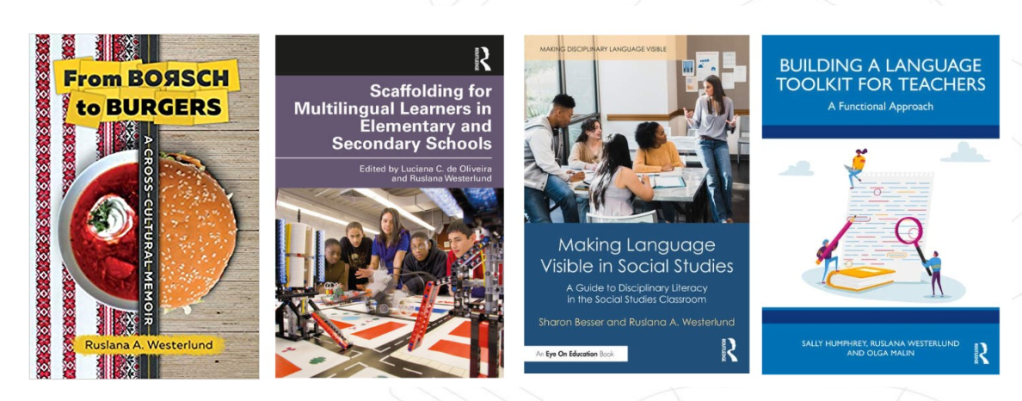
Making Language Visible in Social Studies
🔗 Making Language Visible in Social Studies (Book)Although the book focuses on Social Studies, the ideas and language features extend naturally into ELA because they center on how students use language to explain, reason, and build knowledge. The emphasis on causal language in explanations and the language of argumentation supports literacy development across all content areas.
🔗 Making Language Visible in a Social Studies Classroom (Video Recordings of the Book Chapters “What this chapter is about”)
Building a Language Toolkit for Teachers: A Functional Approach
Building a Language Toolkit for Teachers: A Functional Approach

This book is designed for pre-service teachers and K-8 educators seeking to develop their knowledge of how language works. Grounded in Systemic Functional Linguistics, it serves as a practical language toolkit, offering supportive task cycles with exercises that help teachers identify, analyze, and apply language features to support student learning.
This book is essential for those looking to develop their pedagogical language knowledge (PLK) to support multilingual students. Through accessible, targeted, task-based resources for pre-service teachers, this guide supports teachers to apply a functional approach for disciplinary purposes of narrating, informing, explaining and arguing in elementary and middle grade level instruction. Available March 2, 2026
Blogs
➡️ START HERE How to Create Language Goals with the WIDA Standards
1. Expanding Ideas through Noun Groups
🔗 Read-Alouds With a Functional Approach
🔗 Teaching with the WIDA 2020 Standards in a Second Grade Literacy Block
🔗 Unlocking Noun Groups: Packing Meaning in One Phrase
🔗 Teaching Students Definitions in the Context of Text
2. Saying Verbs in Realistic Fiction
🔗 What I Want to Say About “Saying” Verbs
3. Causal Verbs in Science
🔗 Moving Beyond Because and So: The Language of Causality
🔗 Choosing a Language Focus: Passive Voice in Sequential Explanations
4. Creating Flow in Texts
🔗 Cohesion: the glue that holds the text together
🔗 Using Connectives to Argue with Clarity
🔗 Teaching Students how to Stay on Topic
🔗 Sequencing without Sequencing Words
🔗 Condensing Meanings Through Nominalization
5. Understanding Perspective, Stance & Voice
🔗 Finding the Language of Perspective in Children’s Books
🔗 Opening and Closing Doors for Other Voices: Teaching the Language of Rebuttals
7. Understanding Discourse Level
🔗 Moving Beyond the Sentence Level
🔗 Condensing Meanings Through Nominalization
🔗 Turning Language Charts from an Assessment to an Instructional Tool
🔗 The Genres of Aurora Borealis
🔗 Teaching Students how to Stay on Topic
🔗 Slaves or Workers: Teaching Students How to Read Critically
8. Integrating Language + Writing Across Content Areas
🔗 Teaching Writing in the Content Areas: Research and Practice
Cheering you on,
Dr. Ruslana Westerlund




 Making Language Visible
Leave a comment