-
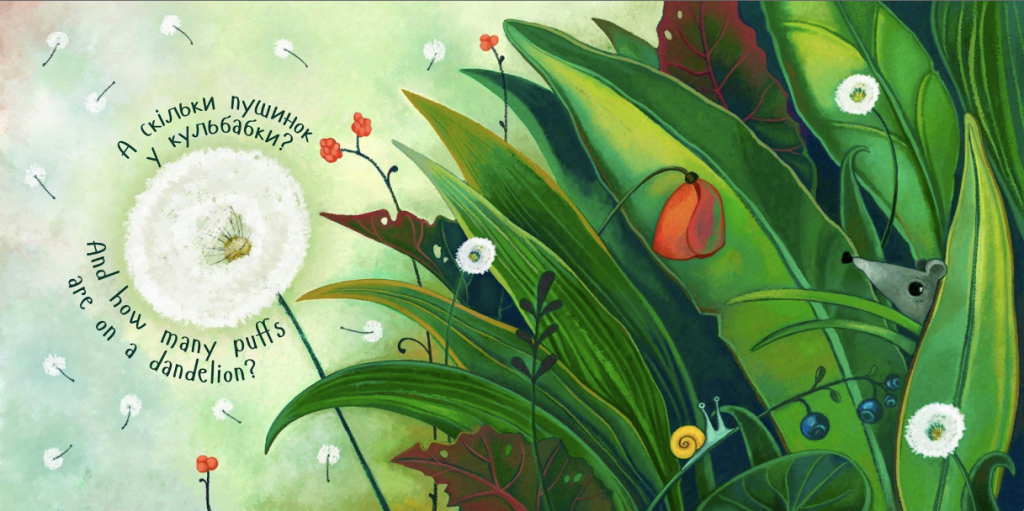 Continue reading →: Guest Post: Oksana Lushchevska on International Children’s Literature
Originally posted on Teaching Social Justice: Following One’s Own Beliefs: The Story of a Ukrainian-English Bilingual Picturebook by Oksana Lushchevska, the University of Georgia As a reading child, growing up in both former Soviet Ukraine and independent Ukraine, I was kindled by children’s books that told stories from other countries.…
-
 Continue reading →: Culturally-Responsive Approaches for Working with Somali Children
by a guest blogger Sirad Shirdon, a Somali scholar Sirad is sharing with us what it means to be a culturally responsive educator when working with Somali children and families. 1. Becoming culturally responsive educators Somali parents are attempting to educate their children with a backdrop of discrimination targeted towards Muslims, English…
-
 Continue reading →: Sociocultural Context of Starbucks
by Ruslana Westerlund There are many different types of genre in literature that we are familiar with. My favorite is folktales. I think it is because of my rich oral tradition I grew up with. My grandfather told me many stories from different cultures. One of my favorite stories…
-
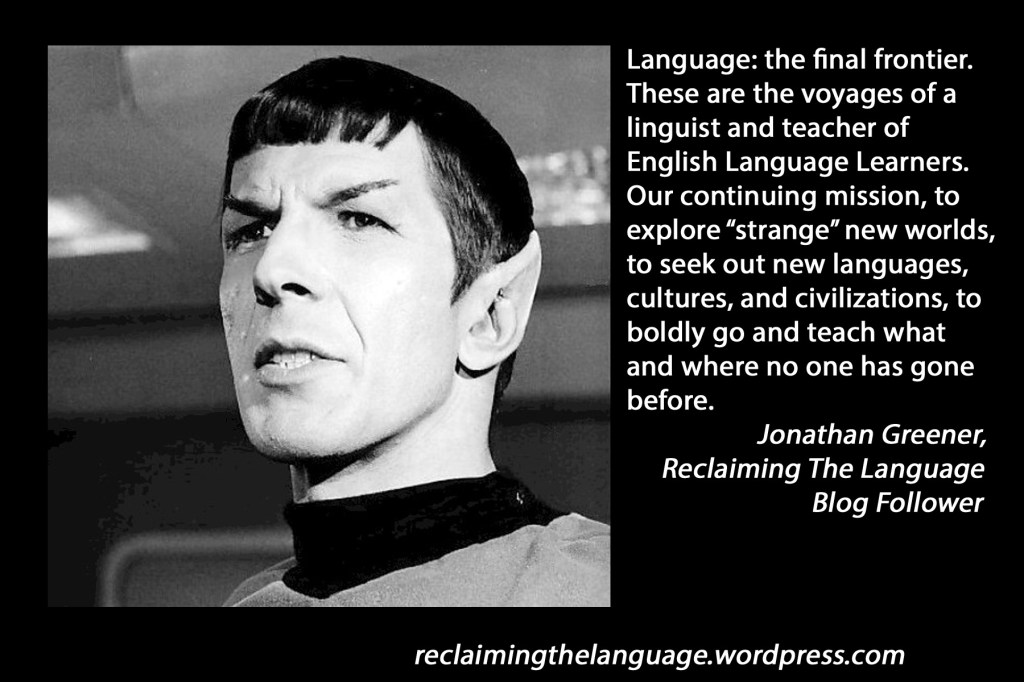 Continue reading →: Half Vulcan, Half Human: My Mixed Identity
Yes, Leonard Nimoy was bilingual. He spoke Yiddish in addition to English. Learn more about Leonard Nimoy in these video highlights from the Wexler Oral History Project’s interview with the man made famous by his role as Spock on Star Trek. I have never been interested in Star Trek. Why?…
-
 Continue reading →: International Mother Language Day – February 21
by Ruslana Westerlund Did you know that nearly 40% of the world’s population lack access to education in their own language according to this report from UNESCO? Did you know that February 21st is the International Mother Language Day? If you follow Reclaiming Education for Social Justice Facebook group, then you should…
-
 Continue reading →: The Language of Tests
by Ruslana Westerlund I remember sitting in the International Conference on Language Immersion in Education offered by the Center for Advanced Research on Language Acquisition back in 2003 or 2004. (Forgive me if I am off by a year, I’m writing this from memory.) Rod Ellis, Fred Genesee, Myriam Met, Elaine…
-
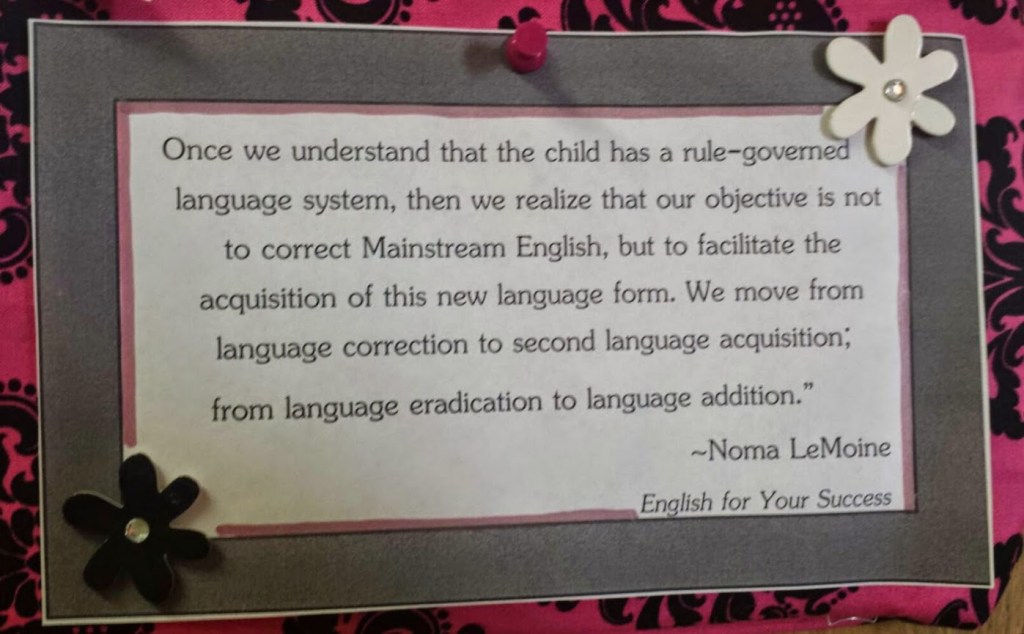 Continue reading →: What’s In a Name?
by Ruslana Westerlund Children who speak different languages at home in the United States have been called many things. Some terms are more descriptive than others. Here is the list that I have heard in the 18 years of my educational career: “Those kids”, “those Muslim kids”, “those Mexicans”, “those refugees”,…
-
Continue reading →: My Speech is Accentless, But My Skin Color is Not
Poem by Ruslana Westerlund as Featured on Protest Poems Originally published in 2010 Where are you from? What languages do you speak? Aren’t you from Mexico? Really, where are you from? Since you asked, I will answer you. You might listen, but will you hear me? You might hear me,…
-
 Continue reading →: Learning English isn’t Enough
By Dr. Timothy Boals , WIDA Executive Director, Wisconsin Center for Education Research (WCER), University of Wisconsin-Madison Originally published for WCER on December 2, 2013. The original post is here. For years we’ve heard the debate about whether teachers should use bilingual or English-only instruction when teaching English Language Learners (ELLs).…
-
Continue reading →: Infusing Meaning and Rigor Into Language Instruction
By: Dr. Anne Dahlman In this blog entry, I will attempt to explore strategies that will enable us to provide high levels of cognitive content to our language learners who might be lower in language ability. This is especially important for older learners who might be just learning the language…
Hello,
I’m Ruslana

Welcome to my blog where I share my ruminations on education, equity, language, and language-based pedagogy, namely Systemic Functional Linguistics.
Let’s connect
Join the fun!
Stay updated with our latest tutorials and ideas by joining our newsletter.
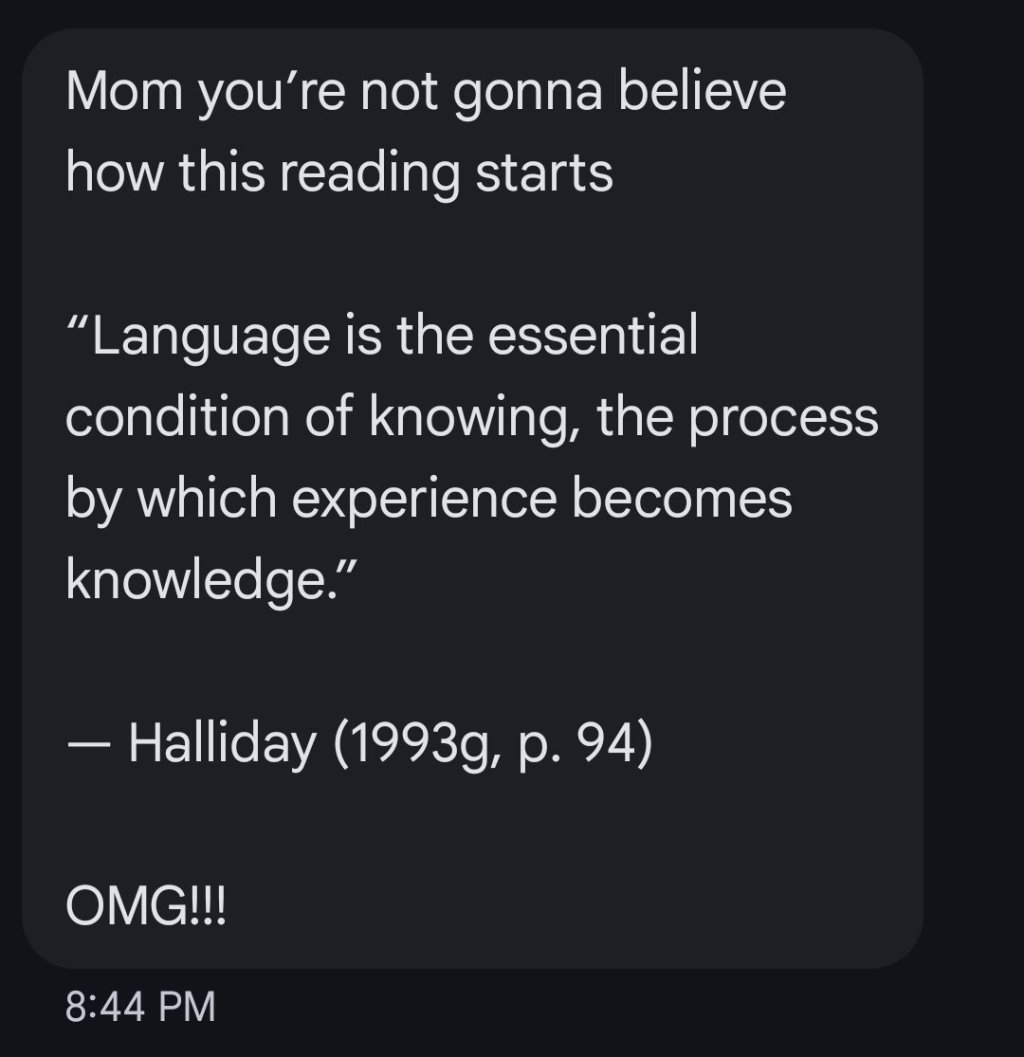
 Making Language Visible