-
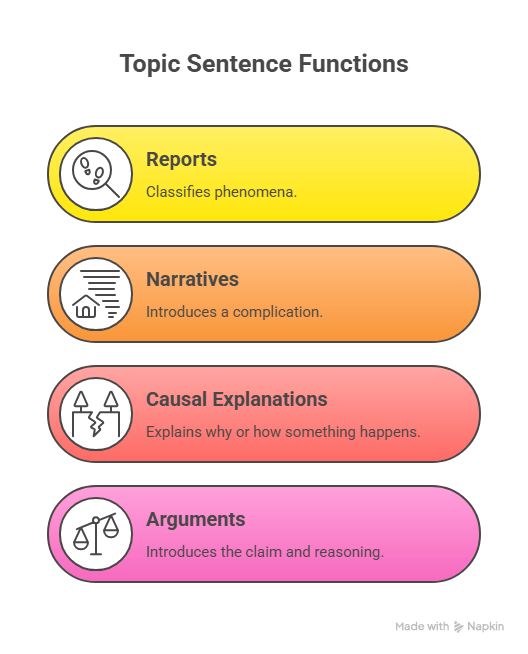 Continue reading →: The Topic Sentence Myth
I recently had a conversation with a teacher about teaching paragraph structure in an argument (persuasive essay). She said, so why can’t we call the first sentence a topic sentence and the final sentence a concluding sentence? That conversation inspired this blog. The answer is simple: the sentences that open…
-
 Continue reading →: Dr. Westerlund’s Blog Organized by Categories
Someone has just reached out and asked me for a progression of learning with a Functional Approach. In response, I have grouped my resources by different language features, starting with noun groups because that seems like an entry point. However, you could start with cohesive devices or causal verbs or…
-
Continue reading →: Turning Language Charts from an Assessment to an Instructional Tool
In this blog, I will illustrate how to turn the WIDA Language Charts from an assessment-oriented tool to an instructional tool. The reason I’m doing it this way is because we shouldn’t be assessing students on things we haven’t taught them like cohesive devices, nominalization, noun groups, etc. So, in…
-
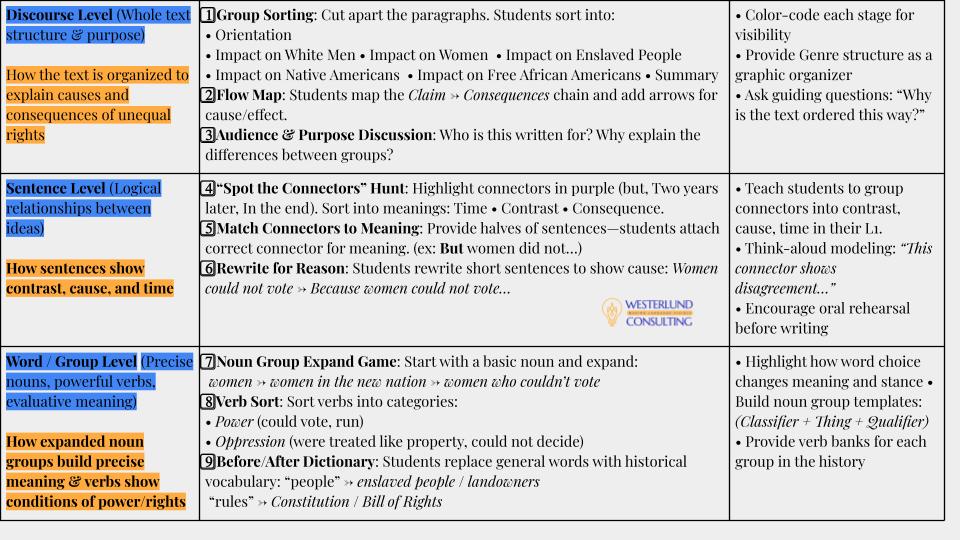 Continue reading →: Moving Beyond the Sentence Level
by Dr. Ruslana Westerlund I’ve been seeing an overwhelming majority of language teaching at the sentence level. I don’t know where it comes from but I think it goes back to traditional linguistics where all of the language level work was done in the service of the sentence (from diagramming…
-
 Continue reading →: English-Ukrainian False Cognates
Коли слова виглядають знайомими, але означають щось зовсім інше «Фальшиві друзі» між англійською та українською мовами Останнім часом я думаю про слова у своїй мові, які називають «фальшивими друзями». Це такі слова, що звучать або виглядають подібно у двох мовах, але означають зовсім різні речі. Наприклад, українське «актуальний» не означає…
-
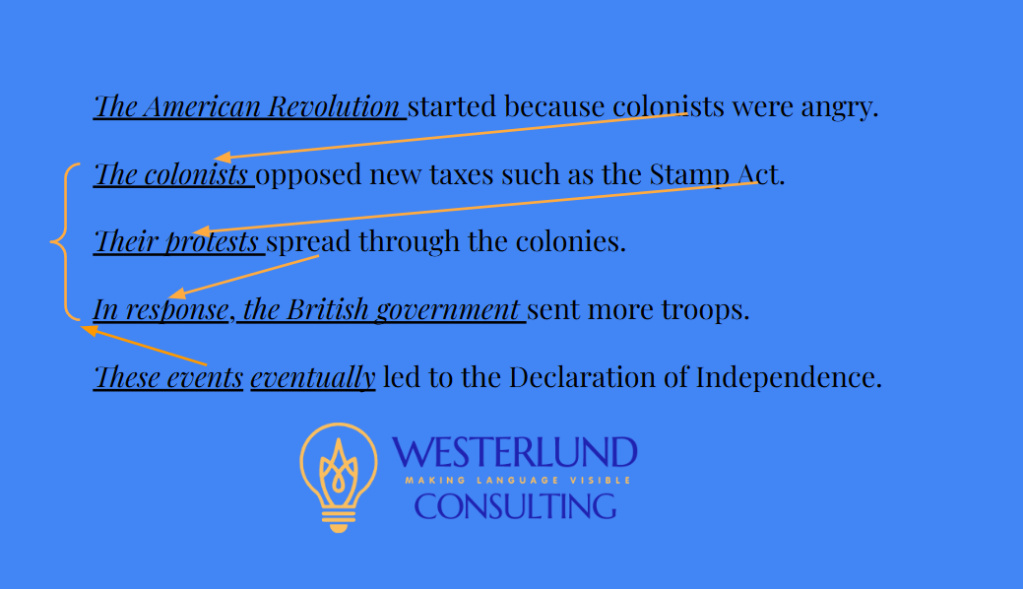 Continue reading →: Teaching Students to Stay on Topic Using the SFL Concept of Theme
Every teacher has read a student paragraph like this one: Student Draft:The American Revolution started because colonists were angry. They didn’t like taxes. The Stamp Act made people upset. The colonists drank tea and wore different clothes. Tea is a popular drink today. They fought battles and wrote the Declaration…
-
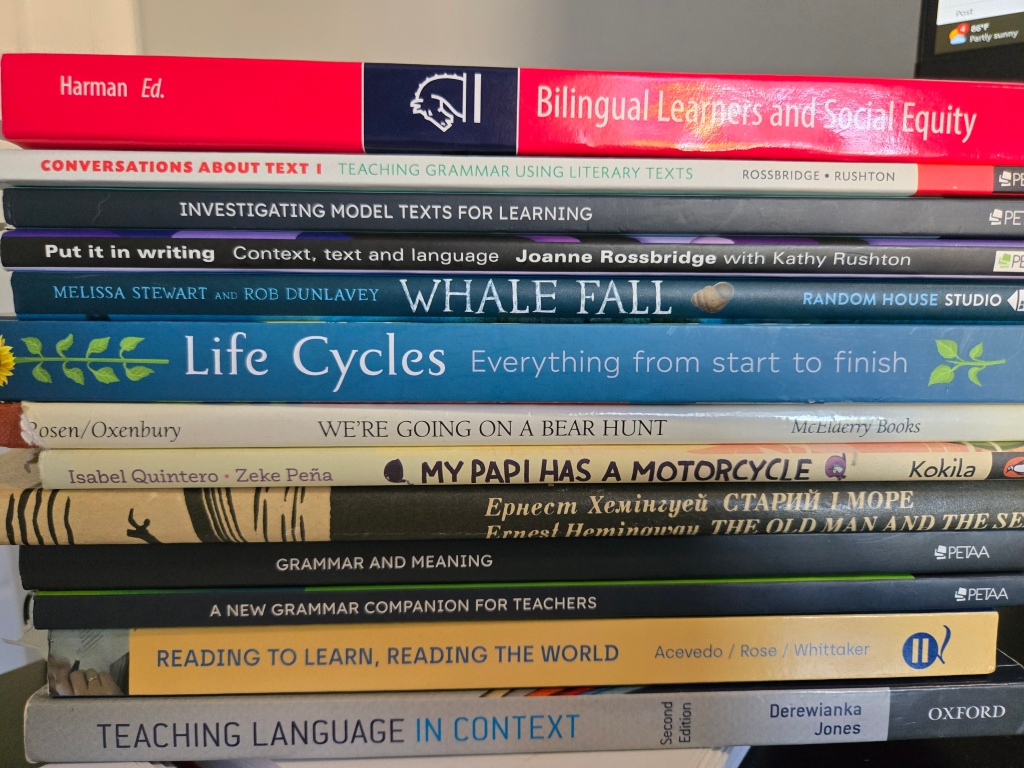 Continue reading →: Misconceptions About Systemic Functional Linguistics
By Dr. Ruslana Westerlund Over the years, as I have been training teachers on using SFL in their work as a toolkit for providing access to K-12 students to disciplinary meanings (it’s not the only concern of SFL to do that, but that’s what I’m asked to train on), I…
-
 Continue reading →: Unlocking Noun Groups: Packing Meaning in One Phrase
When we think of teaching writing with “more details” or reading for main idea, noun groups are a critical resource. Noun groups exist in all texts— from writing stories in language arts, to explanations in science, social studies, and informational writing, and even arguments, noun groups pack in meaning. The…
-
 Continue reading →: On the 30th Anniversary of My Immigration
30 years ago I left my homeland… Ukraine was in disarray, having just regained its independence from the Soviet Union. My mom knew there was no economic future for me in the country with a shattered economy, on the brink of collapse, and made the most selfless and sacrificial thing…
-
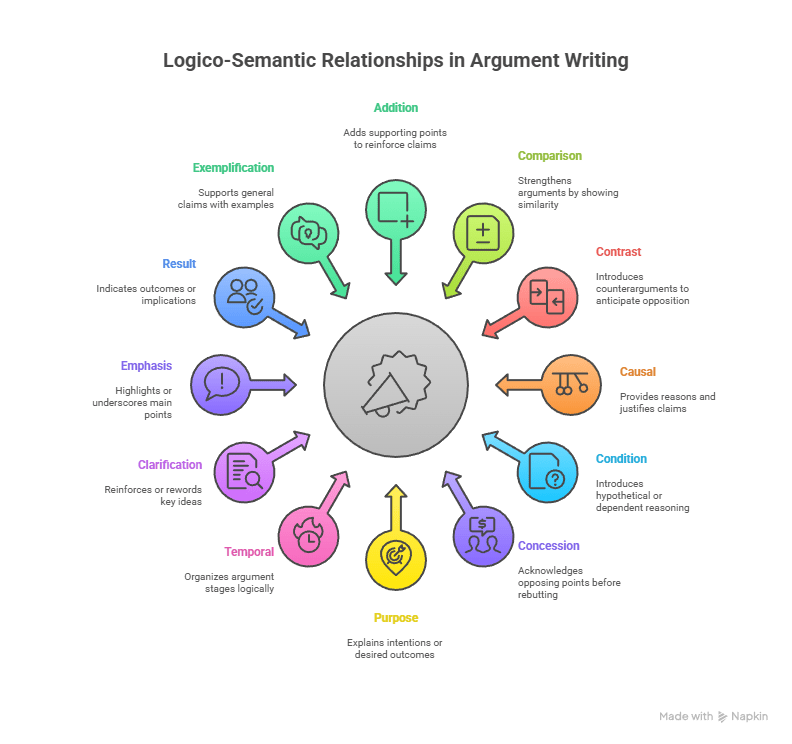 Continue reading →: Helping Students Connect the Dots: Using Connectives to Argue with Clarity
This blog has been sitting in my drafts since February – time for these ideas to see the light of day. Curious to know if it was worth publishing this – please chime in below. We often teach connectives like little glue words—“because,” “however,” “for example”—as if they’re interchangeable tools…
Hello,
I’m Ruslana

Proud immigrant woman business owner of Making Language Visible @Westerlund Consulting. I consult internationally on all things related to equipping all teachers with a pedagogically useful model of language. Book me at westerlundconsulting.com
Let’s connect
Join the fun!
Stay updated with our latest tutorials and ideas by joining our newsletter.