-
 Continue reading →: Teaching Students to Find Definitions of Vocab in Texts
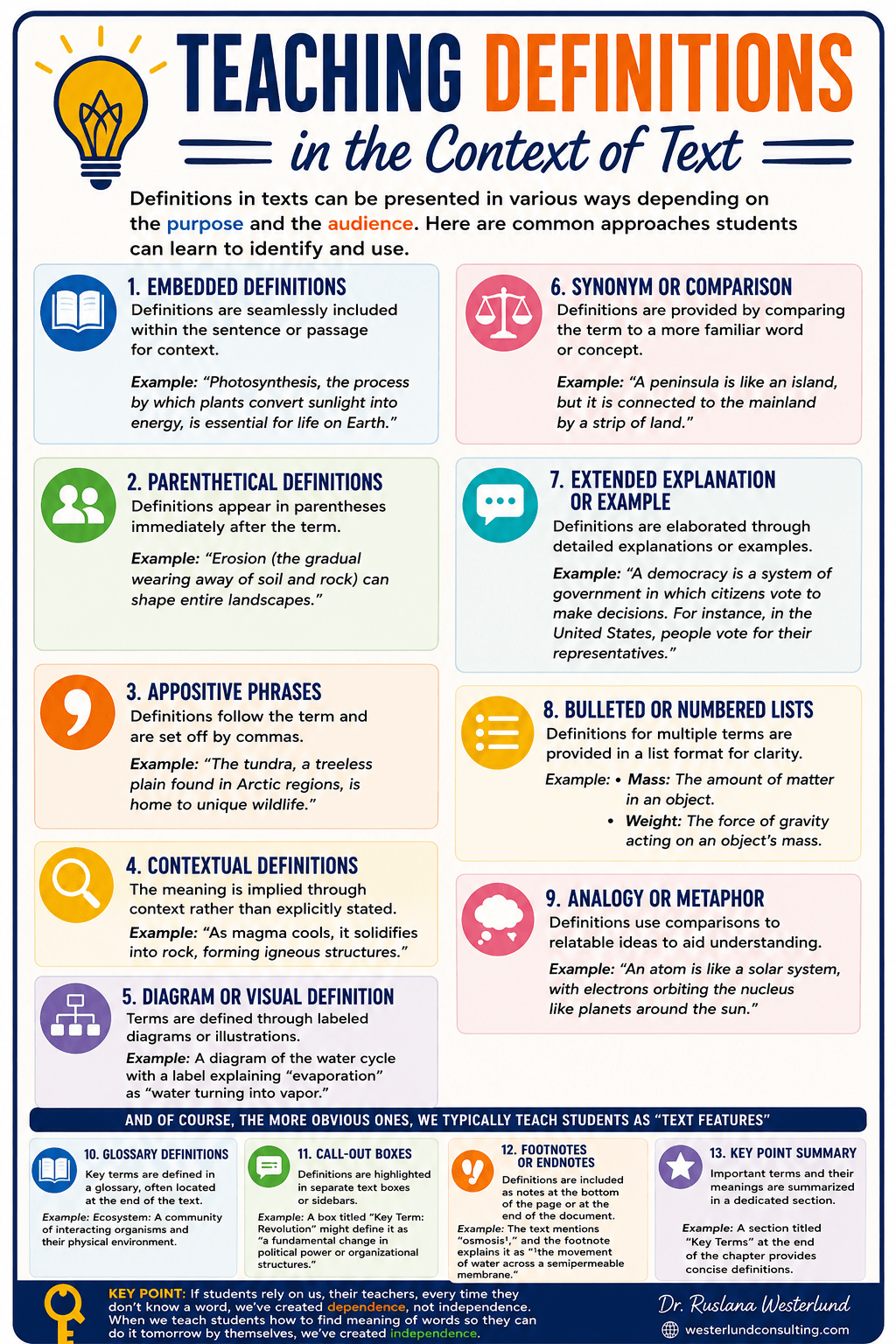
I’ve recently been reviewing research on teaching vocabulary and one research article I found talked about the dangers of pre-teaching vocabulary because it doesn’t lead to student agency (Ramos, 2015). (For a phenomenal synthesis of research on learning vocab incidentally or intentionally, please see Molle et al, 2021). However, I…
-
Continue reading →: I. Will. Persist…
“Because love is an act of courage, not of fear, love is a commitment to others. No matter where the oppressed are found, the act of love is commitment to their cause–the cause of liberation.”― Paulo Freire, Pedagogy of the Oppressed “To glorify democracy and to silence the people is a farce;…
-
Continue reading →: Moving Beyond Because and So: The Language of Causality
I love going to conferences and feel that I have a privilege to go because so many teachers can’t take time off from teaching. My favorite part is meeting teachers face to face whom I know from Facebook. This time, at the WIDA Conference in Pittsburgh, I ran into a…
-
 Continue reading →: The Genres of Aurora Borealis
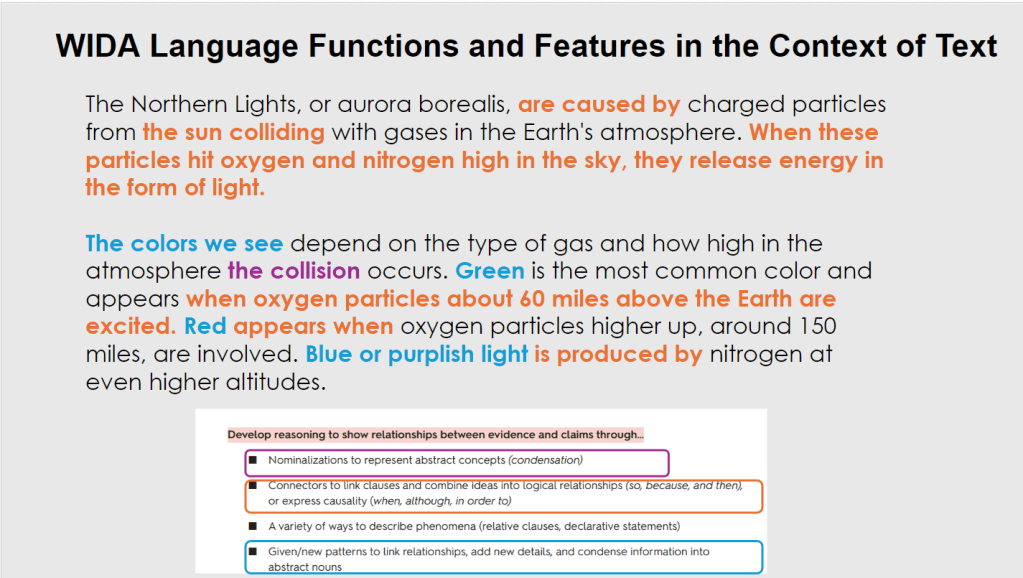
The last couple of months people in the Northern Hemisphere have been enjoying a rare sighting of the Aurora Borealis in almost every country and every U.S. state including, Texas, Alabama, and Florida. I finally got a chance to see them last night in Wisconsin and the show was indeed…
-
 Continue reading →: Cohesion: the glue that holds the text together
Cohesion is the glue that holds the text together. Collaborative teams have cohesion. They may have members with different ideas but they are united by the common vision and mission. In some families, there is that one person who holds the family together and knows how to work around the…
-
Continue reading →: How to Create Content-Language Objectives Using the WIDA Language Functions and Features
I recently saw a question from a teacher about creating objectives that combine content and language. To be helpful to the teacher with a question, I actually created a set where content and language are integrated. I used the new edition of the WIDA ELD Standards which we wrote as…
-
Continue reading →: Making Language Visible in a Social Studies Classroom
Making Language Visible is a remarkably effective book that helps social study teachers become educators who can make disciplinary literacy apparent and useful to their students. I know it will improve my own classroom instruction. In 2024 Sharon Besser and I wrote a book on doing disciplinary literacy in a…
-
 Continue reading →: An Invitation to Rethink “Comprehensible Input”
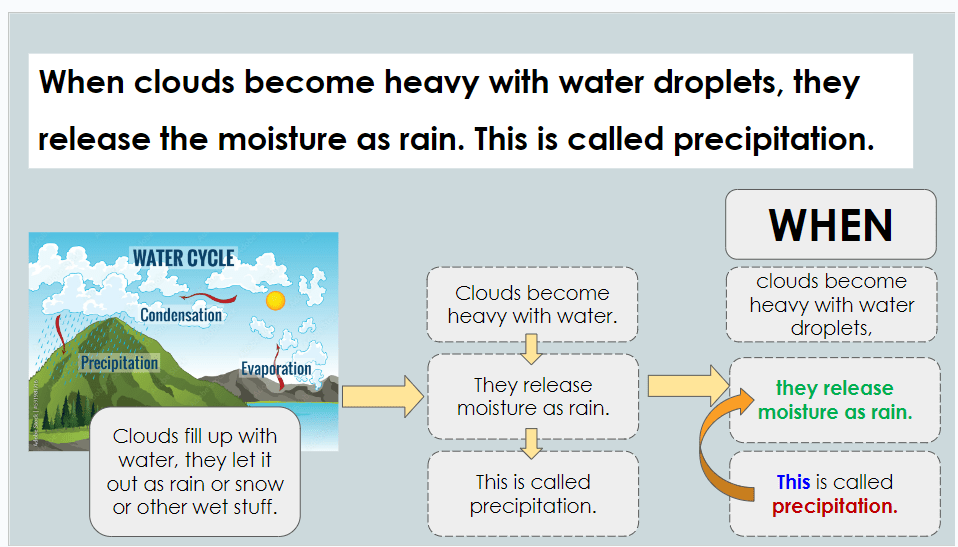
by Dr. Ruslana Westerlund Are we providing kids with language development? I’m not opposed to language supports, but it’s not the same as language development. … One of the reasons the [achievement] gap isn’t closing is because we’re not closing the language proficiency gap. Language supports provide access to content due to [students’] limited English proficiency. In theory they’re supposed…
-
Continue reading →: What does it mean to ask How does Ukrainian compare with Russian?
by Ruslana A. Westerlund Ruslana A. Westerlund is an immigrant writer, linguist, speaker, and author of From Borsch to Burgers, A Cross-Cultural Memoir. In her memoir, she chronicles her journey of becoming a transcultural person spanning both worlds and forming her new ever-evolving identity as a proud Ukrainian-American. In this…
-
Continue reading →: What Does Sourdough Have to Do with Pre-Teaching Vocabulary?
By Dr. Ruslana Westerlund, a linguist, a former teacher, researcher, and sourdough baker I admit it. I finally gave in. I finally succumbed to the ubiquitousness of sourdough and its temptation from Facebook pictures that made me drool. I joined many others in their pursuit of COVID-induced frenzy of house…
Hello,
I’m Ruslana

Proud immigrant woman business owner of Making Language Visible @Westerlund Consulting. I consult internationally on all things related to equipping all teachers with a pedagogically useful model of language. Book me at westerlundconsulting.com
Let’s connect
Join the fun!
Stay updated with our latest tutorials and ideas by joining our newsletter.